
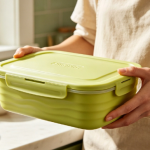
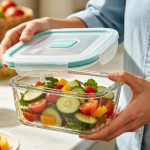
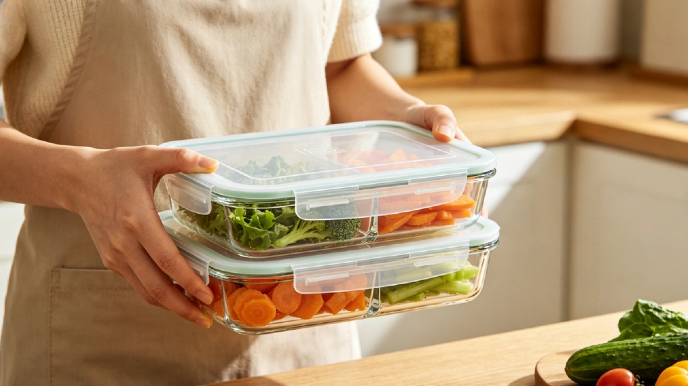
In today’s fast-paced world, efficient home organization has become more than just a matter of aesthetics—it’s a necessity for maintaining a healthy lifestyle and managing busy schedules. At the forefront of innovative storage solutions stands Snapware, a brand that has revolutionized how families approach food preservation and kitchen organization. Since its inception, Snapware has positioned itself as a premium yet accessible brand that bridges the gap between professional-grade storage systems and everyday household needs.
Modern families face numerous challenges when it comes to food storage. Traditional containers often fail to maintain freshness, leading to food waste and financial loss. Many storage solutions leak, creating messy refrigerators and ruined lunches. Furthermore, the lack of versatile, multi-functional containers forces consumers to purchase separate products for different purposes, cluttering cabinets and wasting valuable space. The inability to see stored contents clearly results in forgotten ingredients and expired products, while non-stackable designs waste precious kitchen real estate.
Snapware addresses these pain points through its comprehensive Storage product line, which encompasses food storage containers, meal preparation systems, and dry goods storage solutions. Each product category demonstrates the brand’s commitment to combining functionality with thoughtful design, ensuring that every container serves multiple purposes while maintaining the highest standards of food safety and durability.
Snapware Smart Storage Collection
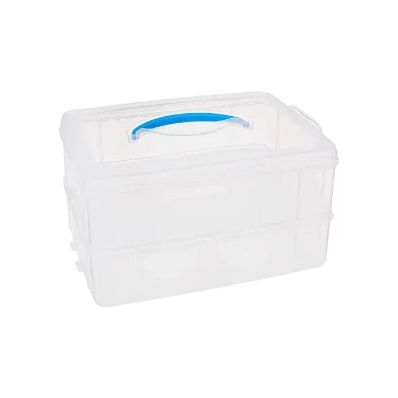
Snapware Snap ‘N Stack Portable Storage Bin
Price: $21.63
Crafty Carrying
The Snapware Snap ‘N Stack Portable Storage Bin is your go-to solution for organizing and transporting tools or craft supplies. Its clear BPA-free design allows easy visibility, while the stackable trays keep all your crafting essentials neat and separated.
Custom Storage & Safety
With four locking tabs and the ability to add or remove trays, this storage bin adapts to your creative needs. Made in the USA and safe for the microwave, freezer, and dishwasher, it’s both functional and flexible — a must-have for makers and DIY enthusiasts.
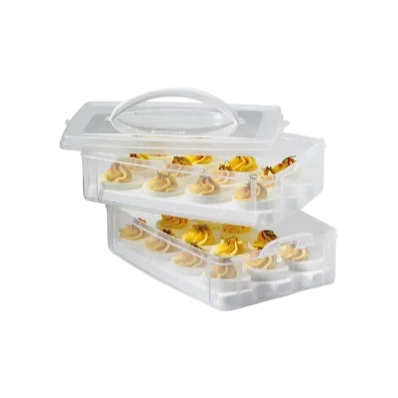
Snapware (2-Layer, 24 Eggs) Detachable Egg Carrier
Price: $12.99
Egg Carrier Perfected
Keep your eggs safe and organized with the Snapware 2-layer egg carrier. Its sturdy, stackable trays hold up to 24 eggs, making it ideal for weekly meal prep or party platters. The crystal-clear design ensures you can quickly check contents at a glance.
Flexible and Food-Safe
Crafted with BPA-free materials, this egg carrier is microwave, freezer, and dishwasher safe. Designed for convenience and versatility, you can easily customize the layers to fit other treats or small desserts when needed.
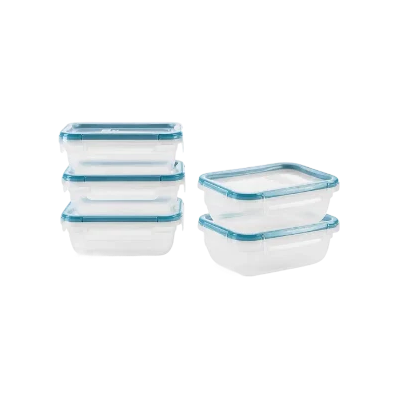
Snapware Total Solution 5-Pack Food Storage Containers
Price: $16.99
Meal Prep Made Easy
This 5-pack of 3-cup Snapware containers is perfect for organizing weekly meals or storing leftovers. Lightweight yet durable, each rectangular container resists stains, odors, and flavor retention — keeping your food fresh and appetizing.
Label, Lock & Store
Featuring airtight, leak-proof lids with four locking tabs and built-in Write + Erase labels, this set makes organization effortless and fun. Microwave, freezer, and dishwasher safe, they are the reliable choice for home, work, or school.
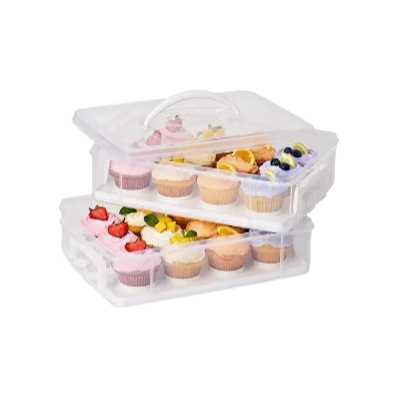
Snapware (2-Layer, 24 Cupcakes) Dessert Carrier
Price: $26.99
Sweet Carrying Made Simple
Transport cupcakes, cookies, or pastries securely with the Snapware 2-layer dessert carrier. Each tier fits up to 24 cupcakes, keeping them separated and perfectly presented wherever you go.
Durable & Safe Design
Constructed from BPA-free polypropylene, this carrier is dishwasher, freezer, and microwave safe. Customize your setup by adding or removing trays — the ultimate companion for bakers bringing sweetness on the road.
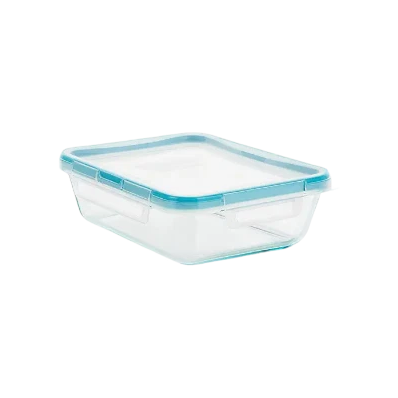
Snapware Total Solution 6-Cup Glass Container
Price: $17.00
Elegant & Durable Storage
The Snapware 6-cup glass rectangular container combines strength and style. Made with BPA-free materials, it’s ideal for storing, heating, or serving food directly from the container.
Airtight Confidence
Its leak-proof, snap-lock lid ensures your meals stay fresh longer. Safe for freezer, dishwasher, and microwave use, this container’s versatility makes it an essential part of any modern kitchen.
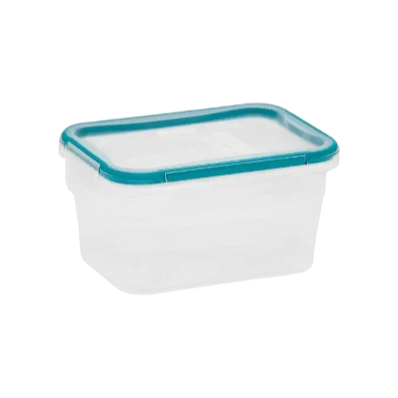
Snapware Total Solution 8.5-Cup Plastic Food Container
Price: $19.99
Everyday Essential
Designed for meal prep or large leftovers, this 8.5-cup plastic container ensures freshness and organization. Its rectangular shape saves space, while resisting stains, odors, and flavor transfer.
Smart Features for Modern Living
Featuring a BPA-free airtight lid with four locking tabs and a built-in Write + Erase label, this container redefines convenience. It’s durable, reusable, and built to handle whatever life throws your way — from freezer to microwave to dishwasher.
Snapware Storage Product Line Analysis
Food Storage Container Series
Glass Storage Containers
Snapware’s glass storage containers represent the pinnacle of food safety and versatility in the brand’s lineup. Constructed from heat-resistant borosilicate glass, these containers can withstand extreme temperature variations without cracking or shattering. This premium glass composition offers several distinct advantages: it’s naturally non-porous, preventing the absorption of food odors and stains that plague plastic alternatives, and it’s completely inert, ensuring no chemical leaching even when storing acidic foods like tomato sauce or citrus-based dishes.
The leak-proof lid design incorporates a four-latch locking mechanism combined with medical-grade silicone gaskets. This engineering creates an airtight seal that prevents spills during transport and maintains optimal freshness by limiting oxygen exposure. The lids feature a unique pressure-release valve that allows steam to escape during microwave reheating while maintaining the seal during storage, solving the common problem of lid warping from trapped steam.
Snapware offers glass containers in comprehensive capacity ranges to suit various needs. Small containers (1-2 cups) are perfect for sauces, dressings, and portion-controlled snacks. Medium sizes (3-6 cups) accommodate single-serving meals and moderate ingredient quantities. Large containers (8+ cups) handle family-sized portions, batch cooking, and bulk ingredient storage. Multi-piece sets provide cost-effective solutions with nested storage when not in use.
These containers excel across multiple usage scenarios. In refrigerators, the clear glass allows instant content identification without opening containers. For microwave heating, users can safely reheat meals directly in the container after removing the lid. Some Snapware glass models are oven-safe up to 425°F (218°C), enabling cooking, storing, and reheating in the same vessel—a true kitchen workflow revolution.
Plastic Storage Containers
Snapware’s plastic line uses premium BPA-free polypropylene, addressing health concerns while maintaining the practical advantages of lightweight, shatter-resistant construction. The company’s commitment to safety extends beyond BPA elimination—these containers are also free from phthalates and other potentially harmful chemicals, meeting or exceeding FDA food-contact standards.
The Airtight sealing technology in Snapware’s plastic containers employs precision-molded lids with integrated silicone gaskets. Unlike cheaper alternatives that rely solely on friction fits, this dual-sealing system creates a genuine airtight barrier. The result is extended freshness for stored foods, with independent testing showing up to 50% longer preservation compared to non-sealing containers. This technology proves particularly effective for maintaining the crispness of vegetables and preventing freezer burn on frozen items.
Space efficiency drives the stackable design philosophy. Each container features a standardized footprint and recessed lid design that allows stable stacking regardless of size variations. The modular approach means a small container can stack atop a large one without tipping, maximizing vertical storage space in crowded refrigerators and pantries. Corner ridges prevent sliding, while the reinforced structure supports considerable weight without deformation.
The transparent construction isn’t merely aesthetic—it’s functional. The crystal-clear plastic provides complete visibility of contents from all angles, eliminating the need to open multiple containers when searching for specific items. Integrated measurement markings on many models assist with portion control and recipe preparation, adding utility beyond simple storage.
Meal Preparation Containers
The meal prep revolution has transformed how health-conscious individuals approach nutrition, and Snapware has responded with purpose-built solutions. The compartmentalized design philosophy divides containers into two or three sections, enabling balanced meal composition without flavor mixing. This physical separation supports macronutrient tracking—a primary protein section, a complex carbohydrate portion, and a vegetable compartment create the foundation for nutritionally complete meals.
Fitness enthusiasts and weight-loss practitioners particularly appreciate these features. The pre-portioned compartments eliminate guesswork in calorie counting, while the visual separation reinforces healthy eating habits. Bodybuilders preparing multiple daily meals can batch-cook on weekends, creating a week’s worth of perfectly portioned nutrition in a single afternoon. The containers’ uniform size simplifies refrigerator organization and ensures consistent portion sizes throughout the week.
Portability considerations extend beyond leak-proof seals. Snapware meal prep containers feature low-profile designs that fit easily into lunch bags and backpacks without consuming excessive space. The secure latching system withstands the jostling of daily commutes, while the balanced weight distribution prevents tipping even when partially full. Many users report successfully transporting these containers through airport security when traveling, making healthy eating possible even during business trips.
Appliance compatibility ensures meal prep doesn’t sacrifice convenience. These containers safely transition from freezer to microwave, allowing users to prepare and freeze meals in advance. The microwave-safe construction includes venting mechanisms that release steam without compromising the seal. Dishwasher-safe components (both containers and lids) simplify cleanup, with manufacturer specifications indicating top-rack placement for longevity.
Dry Goods Storage Canister Series
Snapware’s dry goods storage system introduces the innovative Pop-top sealing mechanism—a one-touch button that activates an airtight seal with satisfying tactile feedback. This technology surpasses traditional screw-top or snap-lid designs in both ease of use and sealing effectiveness. The button mechanism engages a silicone gasket around the entire lid perimeter, creating a vacuum-like seal that prevents air and moisture infiltration.
Moisture and pest prevention capabilities address common pantry problems. The airtight seal blocks humidity that causes clumping in sugar, caking in flour, and staleness in cereal. The robust construction eliminates entry points for pantry pests like weevils and moths, protecting valuable ingredients from contamination. Independent studies show properly sealed containers can extend dry goods shelf life by 3-5 times compared to original packaging.
The transparent container bodies transform pantry organization from chaotic to intuitive. Users can instantly assess inventory levels without opening containers, facilitating efficient grocery shopping and reducing food waste from forgotten ingredients. Some models include measurement markings and label areas, further enhancing organizational capabilities. The see-through design also adds aesthetic value, creating an attractive, uniform appearance in open shelving or glass-front cabinets.
The modular stacking system represents thoughtful engineering. Each canister size features a standardized width and depth, allowing different heights to stack securely. The flat lid surface provides a stable platform for the next container, while subtle ridges prevent shifting. This system maximizes vertical space utilization, particularly valuable in small kitchens or apartments where cabinet space is premium. Users frequently report reclaiming 30-40% of previously wasted vertical space after transitioning to Snapware’s stacking system.
Core Technologies and Design Features
Advanced Sealing Technology
The four-latch locking mechanism represents Snapware’s signature engineering achievement. Unlike containers with single-clip closures or simple friction-fit lids, the four-point locking system distributes sealing pressure evenly around the container perimeter. Each latch independently secures a quarter of the lid, ensuring that even if one latch isn’t fully engaged, the remaining three maintain significant sealing integrity. The mechanical advantage of the lever-action latches requires minimal finger strength, making containers accessible to users with arthritis or reduced hand mobility.
Silicone gasket composition utilizes food-grade silicone rubber with specific durometer ratings optimized for flexibility and durability. The material remains elastic across temperature ranges from -40°F to 450°F (-40°C to 232°C), maintaining sealing effectiveness whether containers are frozen or heated. Unlike cheaper TPE (thermoplastic elastomer) gaskets that harden and crack over time, Snapware’s silicone components retain flexibility through hundreds of use cycles. The non-porous nature of silicone prevents bacterial harboring, contributing to food safety beyond simple containment.
Leak-proof testing follows rigorous protocols before products reach market. Each design undergoes tumble testing—containers are filled with liquid, sealed, and rotated continuously for extended periods. Only designs that maintain 100% containment through thousands of rotations proceed to production. Additional testing includes pressure variance simulations (mimicking altitude changes during air travel) and drop tests from various heights. These standards explain why Snapware containers consistently outperform competitors in consumer testing for leak prevention.
Select premium models incorporate vacuum preservation technology. After closing the container, users activate a pump mechanism (either manual or automatic) that extracts air from the interior. This reduced-oxygen environment dramatically slows oxidation and bacterial growth, extending freshness for cut fruits, prepared salads, and other perishable items. The vacuum indicator window shows when proper vacuum levels are achieved and alerts users if the seal is compromised.
Material Safety and Performance
FDA certification for food-contact materials provides the foundation of Snapware’s safety profile. Every material component—plastics, glass, silicones, and even the pigments in colored lids—undergoes testing to ensure compliance with Food and Drug Administration standards for direct food contact. These certifications are regularly renewed and updated as testing protocols evolve, demonstrating ongoing commitment to safety standards.
The BPA-free and toxin-free guarantee extends beyond marketing claims to verifiable third-party testing. Snapware provides transparency through published test results showing zero detection of bisphenol A, phthalates, lead, and other substances of concern. The company’s quality assurance processes include batch testing of raw materials and finished products, catching potential contamination before items reach consumers. This vigilance has resulted in Snapware’s enviable safety record with zero product recalls related to material toxicity.
Temperature tolerance specifications vary by material but consistently exceed typical household usage demands. Plastic containers safely handle temperatures from freezer storage (-20°F/-29°C) through dishwasher cycles (140°F/60°C) and microwave heating (typically up to 250°F/121°C for specified durations). Glass containers extend this range, with oven-safe models tolerating up to 425°F (218°C). These capabilities enable versatile usage patterns without requiring multiple container types for different temperature applications.
Stain resistance and odor prevention technologies incorporate molecular-level considerations. The glass containers’ non-porous surface provides inherent resistance—molecules from foods like turmeric or tomato sauce cannot penetrate the material, allowing easy cleaning even after extended contact. Plastic containers use advanced polymer formulations with closed-cell structures that minimize absorption. Special additives in the plastic matrix actively resist bacterial adhesion, preventing the biofilm formation that causes persistent odors in inferior containers.
Human-Centered Design Philosophy
Ease of operation balances security with convenience. The latch mechanisms require deliberate action to engage, preventing accidental opening, but don’t demand excessive force that would frustrate daily use. Ergonomic analysis informed latch placement and size, ensuring comfortable operation for hands of various sizes. The audible and tactile “click” when latches engage provides confirmation without requiring visual verification—users can seal containers while attending to other tasks.
Transparent identification windows on many container lids eliminate unnecessary opening. These clear panels reveal contents at a glance, reducing temperature fluctuations in refrigerators from frequent door opening and preserving freshness. Some models include write-on surfaces for labeling with dry-erase markers, combining visibility with detailed information tracking. This feature particularly benefits meal preppers who need to track preparation dates or reheating instructions.
Removable gasket design acknowledges that thorough cleaning is essential for food safety and odor prevention. The gaskets detach easily without tools, exposing the lid channel that might otherwise harbor food particles and bacterial growth. After cleaning, the gaskets snap securely back into position without complex alignment procedures. This design extends gasket lifespan by enabling proper maintenance and allows replacement if gaskets eventually wear out, rather than requiring disposal of the entire container.
Anti-slip base features utilize raised silicone or textured plastic pads on container bottoms. These elements provide friction against refrigerator shelves and countertops, preventing sliding when containers are opened or when refrigerator contents shift during door closing. The stability proves especially valuable with tall containers that might otherwise tip, and with glass containers where tipping could result in breakage.
Practical Usage Scenarios and Application Guidelines
Kitchen Food Management Systems
Refrigerator organization transforms from chaotic to systematic with strategic Snapware deployment. The recommended approach involves categorizing by food type: proteins in one zone, prepared meals in another, fresh produce in designated crisper-supplementing containers, and dairy/condiments in door-compatible smaller containers. The uniform appearance of Snapware containers creates visual order, while the clear construction enables quick location of needed items. Strategic labeling with preparation or expiration dates prevents waste from forgotten foods hidden behind larger items.
Pantry dry goods management achieves new efficiency with the canister system. Transferring bulk purchases of flour, sugar, rice, pasta, and cereals into appropriately sized Snapware containers provides immediate benefits. The airtight seals prevent pantry moths and humidity damage that plague original packaging. The stackable design maximizes shelf space, while the clear containers enable at-a-glance inventory assessment. Many users report grocery shopping becomes more efficient—no more buying duplicate items because they couldn’t remember whether they had pasta at home.
Spice and seasoning organization addresses a common kitchen frustration. Small Snapware containers perfectly accommodate bulk spices, keeping them fresh far longer than store packaging. The ability to see contents prevents mistaking similar spices (cumin versus coriander), while uniform container sizes create attractive, organized displays on countertop spice racks or in drawers. Some enthusiasts use label makers to create professional-looking identification, transforming cooking spaces into efficient workstations.
Leftover preservation changes from makeshift solutions to intentional storage. Rather than covering plates with plastic wrap or transferring food to whatever container fits, Snapware users select appropriate sizes from their collection. Right-sizing prevents excess air exposure that accelerates spoilage. The secure seals mean leftovers can be stacked efficiently rather than claiming entire refrigerator shelves. When reheating time arrives, many leftovers can go directly from refrigerator to microwave in their storage container, minimizing dishes.
Meal Preparation and Portable Dining
Weekly meal prep planning becomes sustainable with proper containers. Successful practitioners recommend dedicating 2-3 hours on weekends to batch cooking proteins, grains, and vegetables. The compartmented Snapware containers then receive assembled meals for the coming week. This approach delivers multiple benefits: healthier eating by avoiding restaurant meals, financial savings from bulk ingredient purchases, reduced daily cooking stress, and consistent portion control supporting fitness goals.
Office lunch transportation solves the common problem of soggy salads or separated meal components. The divided containers keep dressings isolated from greens until eating time, while proteins remain separate from starches, preserving textural integrity. The secure sealing prevents embarrassing lunch bag leaks that damage papers or electronics. Many professionals appreciate that the containers’ attractive design doesn’t scream “plastic storage container,” maintaining professional appearance in office refrigerators and during working lunches.
Outdoor and picnic applications benefit from Snapware’s durability and sealing performance. Unlike disposable containers that crack or leak, these reusable options withstand the bumps and temperature variations of outdoor adventures. Families report successfully transporting potato salad, cut fruits, sandwiches, and other picnic staples without spoilage or mess. The ease of cleaning after outdoor use (dishwasher safe) removes the friction that makes reusable containers less appealing than disposables for some users.
Children’s lunch boxes gain functionality with right-sized Snapware containers. Parents can portion appropriate serving sizes of various foods, creating balanced lunches that kids can easily manage. The secure but child-friendly latches mean fewer lunch box accidents and less wasted food from containers opening in backpacks. The transparent design helps children identify their foods, reducing lunch trading and ensuring dietary restrictions are maintained. Some parents color-code lids by child, simplifying morning packing routines.
Beyond Kitchen: Household Organization
Small item categorization extends Snapware utility beyond food. Crafters use containers to sort beads, buttons, thread, and other supplies by color or type. The clear containers enable quick location of needed materials, while the secure seals prevent spills from tipped containers—particularly valuable when storage is in drawers or on shelves where bumping is common. The stackable design maximizes craft room storage, and the airtight seals protect materials from humidity that could damage papers, fabrics, or adhesives.
Tool and hardware management addresses garage and workshop chaos. Small Snapware containers perfectly organize screws, nails, washers, and other fasteners by size and type. Hobbyists appreciate seeing contents without opening every container when searching for specific parts. The containers withstand workshop conditions better than cardboard boxes or plastic bags, and they stack securely on workbenches or shelving units. Some users mount containers on walls using simple bracket systems, creating efficient parts storage systems.
Hobby supply organization benefits multiple interests. Model builders sort and store paints, brushes, and small components. Jewelry makers organize findings, chains, and clasps. Quilters manage thread, needles, and notions. In each case, the protection from dust and moisture preserves material quality, while the clear design and customizable sizing accommodate diverse organizational needs. The professional appearance of organized supplies in Snapware containers often motivates hobbyists to maintain orderly work spaces.
Travel packing revolutionizes with Snapware solutions. Small containers hold jewelry or electronic accessories, preventing tangling and protecting delicate items. Medium containers organize toiletries or first-aid supplies, with leak-proof seals preventing travel disasters from spilled shampoos or lotions. Some travelers use Snapware to pack snacks for flights, with the secure seals meeting airline carry-on requirements while maintaining food freshness. The containers’ durability withstands luggage handling better than disposable alternatives, and they serve multiple purposes at destinations.
Product Selection and Purchasing Strategy
Capacity Matching to Household Needs
Single-person households typically require different container portfolios than families. Solo dwellers benefit from smaller containers (1-4 cups) that accommodate individual meal portions without excessive air space that accelerates food degradation. A recommended starter set might include four 2-cup containers for meal prep, two 1-cup containers for sauces or snacks, and three dry goods canisters for basic pantry staples. This minimalist approach prevents cabinet clutter while covering essential needs.
Couples generally need medium-capacity focus. Sets featuring 4-6 cup containers handle dinner leftovers for two, while smaller containers manage lunch components or breakfast prep. A balanced collection might include six medium containers, four small containers, and a selection of dry goods storage. This configuration supports meal planning without over-purchasing containers that remain unused.
Family households demand larger quantities and sizes. A family of four typically benefits from 8-cup containers for batch-cooked proteins or grains, 6-cup containers for vegetable sides, and numerous medium containers for individual packed lunches. Recommended collections start at 12-15 pieces minimum, with many families eventually expanding to 20+ containers as they discover diverse applications. The investment remains cost-effective given the food waste reduction and meal planning efficiency gained.
Food-specific capacity considerations optimize freshness and space efficiency. Leafy greens require larger containers than their weight suggests, needing volume for proper storage without crushing. Dense items like rice or pasta fit efficiently in tall, narrow canisters that maximize shelf space. Liquid storage (soups, broths) demands containers with secure sealing and appropriate headspace for expansion during freezing. Matching container capacity to typical purchase quantities reduces the need for multiple smaller containers and minimizes exposed surface area that accelerates spoilage.
Material Selection Considerations
Glass versus plastic comparison reveals distinct advantages for each material. Glass offers superior longevity—a well-maintained glass container can last decades, while plastic eventually scratches and clouds. Glass remains chemically inert across all foods and temperatures, eliminating concerns about flavor transfer or chemical leaching. It safely transitions from freezer to oven, enabling versatile cooking workflows. However, glass weighs significantly more, making portability challenging for some users. The breakage risk, though reduced by Snapware’s tempered glass, remains relevant in households with young children or where countertop accidents are common.
Plastic provides lightweight convenience and shatter-resistance ideal for portable applications. Children’s lunches, workplace meals, and outdoor activities all favor plastic’s durability. The lower cost enables building larger collections on modest budgets. Modern BPA-free plastics from reputable manufacturers like Snapware demonstrate excellent safety profiles when used as directed. Limitations include eventual scratching that reduces clarity, potential staining from highly colored foods, and temperature restrictions that prevent oven use.
Usage scenario matching guides optimal material selection. Users prioritizing meal prep and portability benefit from plastic’s lightweight nature and break-resistance. Home cooks focused on batch cooking and leftovers storage often prefer glass for its cooking-to-storage versatility. Many sophisticated users maintain both types, selecting appropriate materials for specific applications—glass for oven-going casseroles and acidic foods, plastic for portable lunches and kids’ use.
Long-term cost analysis reveals surprising economics. While glass containers cost more initially (typically 50-100% price premiums), their extended lifespan reduces replacement costs. A $30 glass set purchased once potentially costs less over ten years than three $15 plastic sets replaced due to wear. However, breakage risk complicates this calculation—one dropped glass container can offset years of replacement savings. User lifestyle and care habits should inform material investment decisions.
Maintenance, Care, and Troubleshooting
Proper Usage Protocols
Initial cleaning before first use is essential despite factory quality control. Manufacturers recommend washing all components with warm soapy water to remove any residues from manufacturing and packaging processes. This also allows inspection for any defects that might have escaped quality control. Pay particular attention to gaskets, ensuring they’re properly seated in lid grooves. Some users report detecting faint plastic or manufacturing odors that dissipate after initial washing and air drying.
Microwave usage requires specific precautions for safety and longevity. Always remove lids before microwaving—the sealed environment can build dangerous pressure. Even lids marketed as microwave-safe shouldn’t be fully latched during heating. Position containers away from microwave edges where heating is most intense. Use medium power settings for extended heating to prevent hot spots that could warp plastic or crack glass. Allow heated containers to rest briefly before handling, as both materials retain heat and can cause burns.
Freezer storage best practices extend container life and maintain food quality. Leave appropriate headspace for liquid expansion during freezing—typically one inch for water-based foods. Avoid filling containers to the brim with liquids that expand, as this can compromise seals or crack containers. Thaw frozen contents in refrigerators rather than countertops for food safety, and don’t transfer containers directly from freezer to hot environments (microwave is acceptable with proper precautions). The thermal shock from extreme temperature changes can crack glass despite its heat-resistant properties.
Loading quantity affects sealing performance and should be optimized. Overfilled containers prevent lids from seating properly against gaskets, compromising airtight seals. Leave at least a quarter-inch clearance below the container rim for optimal sealing. With dry goods, avoid compressing contents to fit more—this can deform containers and stress latches. Conversely, substantial air space in partially filled containers allows oxygen exposure that accelerates food degradation. Match food quantities to container sizes when possible for optimal preservation.
Cleaning and Maintenance Procedures
Daily washing routines determine long-term container condition. Hand washing with warm soapy water and soft sponges provides gentlest care. Avoid abrasive scrubbers that scratch plastic surfaces and create harboring spots for bacteria. For stuck-on food, soaking containers in warm soapy water loosens residue without aggressive scrubbing. Rinse thoroughly to remove all soap residue, which can leave films affecting transparency and potentially tainting food flavors.
Dishwasher usage offers convenience but requires proper technique. Place containers on top racks where water spray is less intense and heating elements don’t cause direct contact that could warp plastics. Position containers to avoid nesting—water must flow through each piece for complete cleaning. Remove and hand-wash lids separately if they have complex geometries that trap food particles. Use mild detergents avoiding harsh chemicals that can cloud plastics or etch glass over time. Allow containers to air-dry completely before reassembly and storage to prevent trapped moisture that encourages bacterial or mold growth.
Stubborn stain removal employs safe, effective household techniques. Tomato-based sauce stains respond to sunlight exposure—place stained plastic containers in direct sunlight for several hours, and UV rays naturally bleach organic stains. Baking soda paste applied to stained areas and left overnight provides gentle abrasion and odor absorption. For glass, standard oven cleaners safely remove baked-on residues that resist normal washing. Avoid chlorine bleach on plastics, as it can weaken material structure over time.
Gasket maintenance extends seal life and ensures food safety. Remove gaskets monthly for thorough cleaning, accessing the lid channels where food particles accumulate unnoticed during daily washing. Inspect gaskets for tears, permanent deformation, or hardening that indicates replacement necessity. Some users report applying food-grade silicone lubricant to gaskets annually, maintaining flexibility in dry climates. Store containers with lids off between uses, allowing gaskets to relax rather than remaining compressed, which can cause permanent set and reduced sealing effectiveness.
Common Issues and Solutions
Odor elimination addresses the most frequent container complaint. Strong-smelling foods (onions, garlic, fish) can impart persistent odors despite thorough washing. Effective remedies include overnight soaking in baking soda solution (1/4 cup per gallon of water), which neutralizes organic odors. Activated charcoal placed in sealed containers absorbs trapped odors over several days. For stubborn cases, crumpled newspaper left in sealed containers overnight absorbs even persistent fish odors. Prevention involves applying thin coats of cooking oil to container interiors before storing odor-prone foods, creating a barrier that prevents absorption.
Seal failure troubleshooting identifies and resolves leak issues. First, verify gaskets are properly seated in lid channels—they can dislodge during aggressive washing. Inspect gaskets for visible damage like tears or permanent compression marks. Test by filling containers with water, sealing, and inverting over a sink—leaks indicate seal compromise. Clean gasket channels thoroughly, as food particles prevent proper seating. If gaskets appear worn, replacements are available from Snapware directly or through retailers. Some seal issues result from warped containers or lids caused by extreme temperature exposure or aggressive dishwasher cycles.
Discoloration prevention maintains container appearance and perceived cleanliness. Use containers designated for highly pigmented foods (curries, tomato sauces) to limit staining spread across collections. Immediate washing after use prevents stains from setting. Apply thin vegetable oil coatings before storing turmeric or saffron-based dishes. For glass containers, discoloration is rare and typically results from mineral deposits from hard water, removable with vinegar soaks. Plastic cloudiness from scratching is permanent but doesn’t affect functionality or safety—it’s cosmetic degradation from normal use.
Lifespan extension strategies maximize return on container investments. Rotate container usage rather than repeatedly using favorites, distributing wear across collections. Store containers properly with lids off, preventing gasket compression and allowing air circulation. Avoid extreme temperature shocks by allowing containers to reach room temperature before dramatic heating or cooling. Replace gaskets proactively when sealing effectiveness diminishes rather than waiting for complete failure. Use appropriate containers for intended purposes—don’t subject basic storage containers to extreme conditions they weren’t designed to withstand.